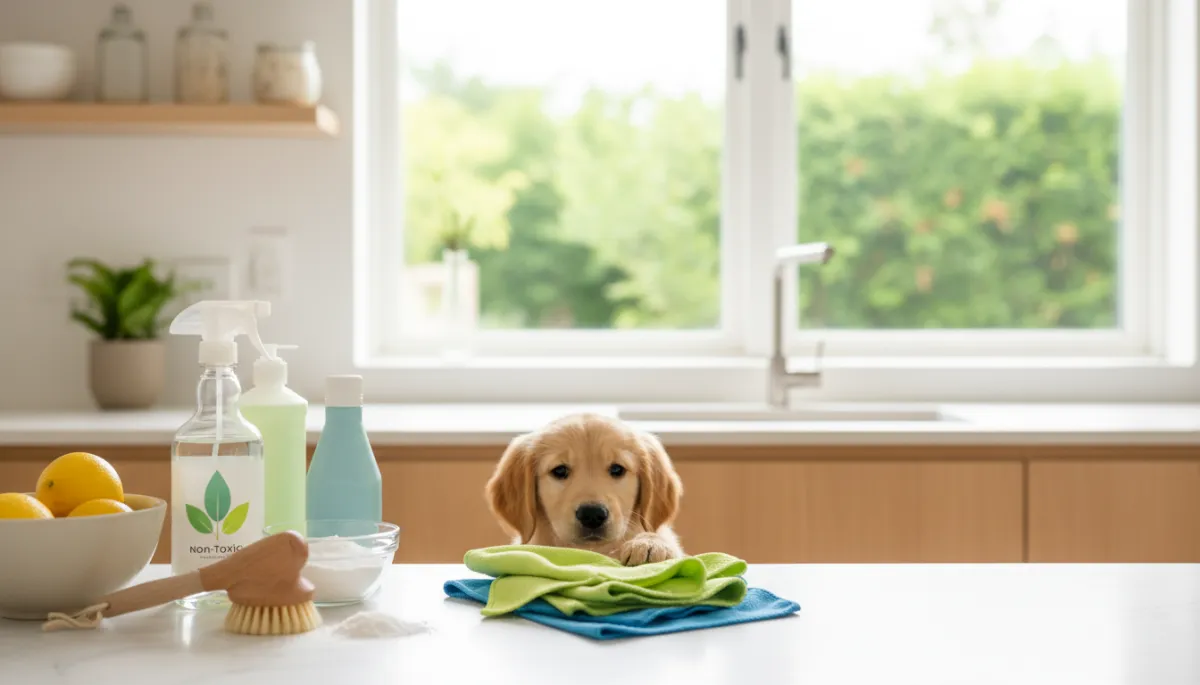
Effective Non-Toxic Cleaning: What Works and What Doesn't
Home, Non-Toxic Cleaning, Family Safety
The Rise of Non-Toxic Cleaning — What Actually Works and What Doesn't
More families are swapping harsh chemical cleaners for gentler, non-toxic options, especially in homes with curious kids and pets who touch, lick, and crawl on every surface. But with so many “green,” “natural,” and “eco” labels, it can be hard to tell what truly works and what is just clever marketing.
Why Non-Toxic Cleaning Is Suddenly Everywhere
Walk down any cleaning aisle and you will see it: shelves filled with plant-based sprays, refill concentrates, and glass bottles promising fewer chemicals and safer homes. This shift is not just a trend; it is a response to growing awareness about what is in traditional cleaners and how those ingredients affect indoor air and long-term health.
Conventional products often contain ingredients like chlorine bleach, ammonia, synthetic fragrances, and solvents that can irritate lungs, skin, and eyes. In a home with a baby crawling on freshly mopped floors or a dog licking spilled cleaner off tiles, those risks feel a lot more personal. Parents are asking a simple question: “If I would not let my child touch this, why am I spraying it on every surface?”
💡 Pro Tip: If a product’s label warns you to use heavy ventilation and keep pets away until dry, that is a sign to reconsider how often you use it.
What Actually Works: Non-Toxic Staples That Clean Surprisingly Well
Non-toxic does not have to mean less effective. Many simple, familiar ingredients can handle everyday messes just as well as conventional products, especially when used correctly.
Vinegar (for everyday grime): A diluted white vinegar solution cuts grease, soap scum, and hard-water spots on many surfaces. It is great for glass, counters (that are not natural stone), and floors. The smell fades as it dries, and it leaves no harsh residue for kids or pets to pick up on their hands and paws.
Baking soda (for scrubbing): This gentle abrasive lifts stuck-on food, bathtub rings, and stained sinks without scratching most surfaces. Sprinkle, add a little water to form a paste, and scrub with a cloth or brush for a fume-free deep clean.
Castile soap (for general cleaning): A small amount of this plant-based soap in water becomes an all-purpose cleaner for floors, toys, high chairs, and pet bowls. Rinse or wipe with clean water afterward for a residue-free finish.
Microfiber cloths (for dust and germs): High-quality microfiber physically grabs dust, crumbs, and many microbes with just water, reducing the need for extra chemicals on frequently touched surfaces like doorknobs and railings.
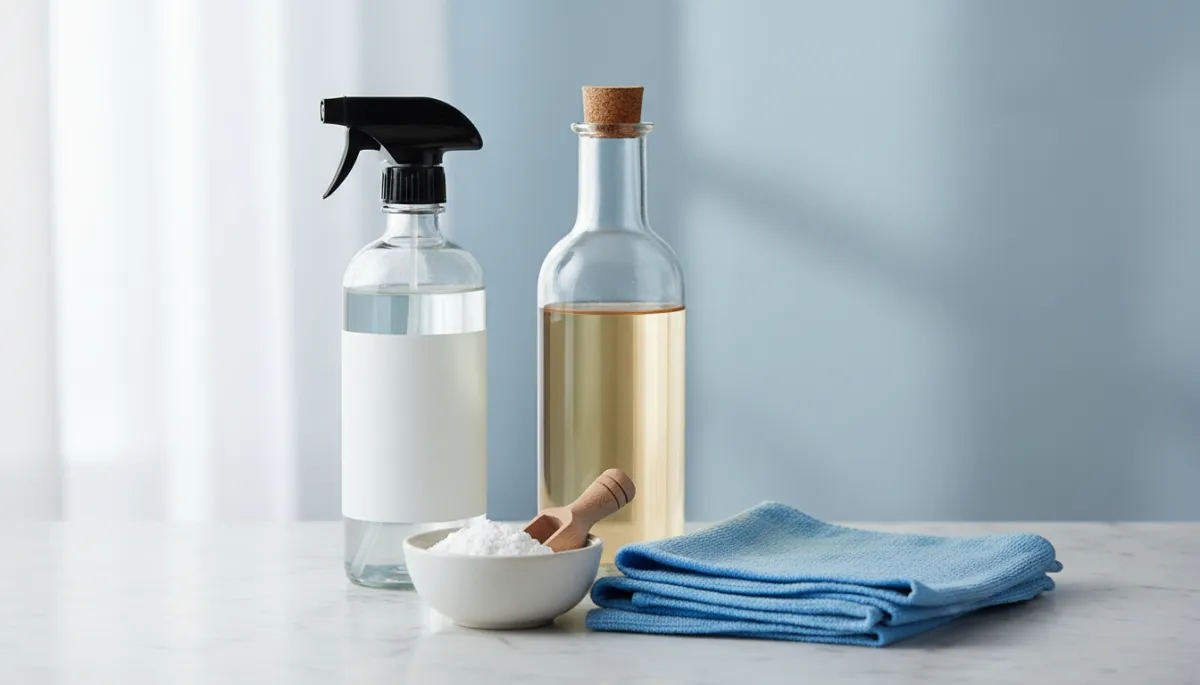
Simple pantry staples can replace many harsh cleaners in busy family homes.
Where Non-Toxic Options Fall Short (and When You Still Need the Strong Stuff)
Not every cleaning job can be handled with vinegar and good intentions. There is an important difference between cleaning (removing dirt and many germs) and disinfecting (killing specific pathogens to a tested standard). For everyday messes, cleaning is usually enough. But in certain situations, stronger products may still be the safest choice.
Illness in the house: When someone has the flu, norovirus, or another contagious illness, an EPA-registered disinfectant used exactly as directed (including the full “contact time” on the label) is more reliable than DIY sprays. You can still limit use to high-touch areas and keep kids and pets out while surfaces dry.
Mold problems: Small patches of surface mold in a bathroom can often be scrubbed away with non-toxic cleaners, but large or recurring mold issues may require professional treatment and stronger products to protect your family’s lungs.
Heavy-duty disinfection needs: Households with immune‑compromised family members may need a more medical approach in certain areas. In those cases, talk with a healthcare provider about which disinfectants are both effective and lower in fumes or irritants.
⚠️ Warning: Vinegar, essential oils, and homemade sprays are not officially registered disinfectants. They can be part of a healthy routine but should not be your only line of defense during serious illness.
Families, Kids, and Pets: Making Everyday Cleaning Safer
For families, the real goal is balance: a home that feels truly clean and safe to live in. That means paying attention not just to what you use, but also to how you use it around children and animals who spend a lot of time close to the floor.
Choose fragrance-light or fragrance-free: Synthetic fragrances can be irritating, especially for kids with asthma or pets with sensitive noses. Look for clear ingredient lists and avoid vague terms like “perfume” or “parfum” when possible.
Store everything securely: Even plant-based products can upset a child’s stomach or a pet’s digestion if swallowed. Use childproof latches and keep spray bottles off the floor and out of reach.
Ventilate, even with “green” products: Open windows or run a fan while you clean. Fresh air helps clear any lingering vapors, whether your cleaner is conventional or non-toxic.
Reading Labels and Cutting Through the Hype
Marketing buzzwords can be misleading. Terms like “natural,” “green,” and “non-toxic” are not strictly regulated in many places. Instead of relying on front-label claims, flip the bottle over and look for:
A full ingredient list, not just “proprietary blend”
Clear instructions on dilution and safe use around children and animals
Third-party certifications (where available) from recognized health or environmental organizations
The Bottom Line: A Cleaner Home, Not a Harsher One
The rise of non-toxic cleaning is ultimately about control: choosing what comes into your home, what ends up on your floors and counters, and what your family breathes and touches every day. For most households, a mix of simple, low-toxicity cleaners for daily use and a few carefully chosen stronger products for rare, high‑risk situations hits the sweet spot between safety and effectiveness.
You do not need a cabinet full of mystery chemicals to have a truly clean home. Start by swapping one product at a time, notice how your space feels, and choose options that respect the smallest (and furriest) members of your household. Over time, those small switches add up to a healthier environment for everyone who walks, crawls, or wags their way across your floors.
