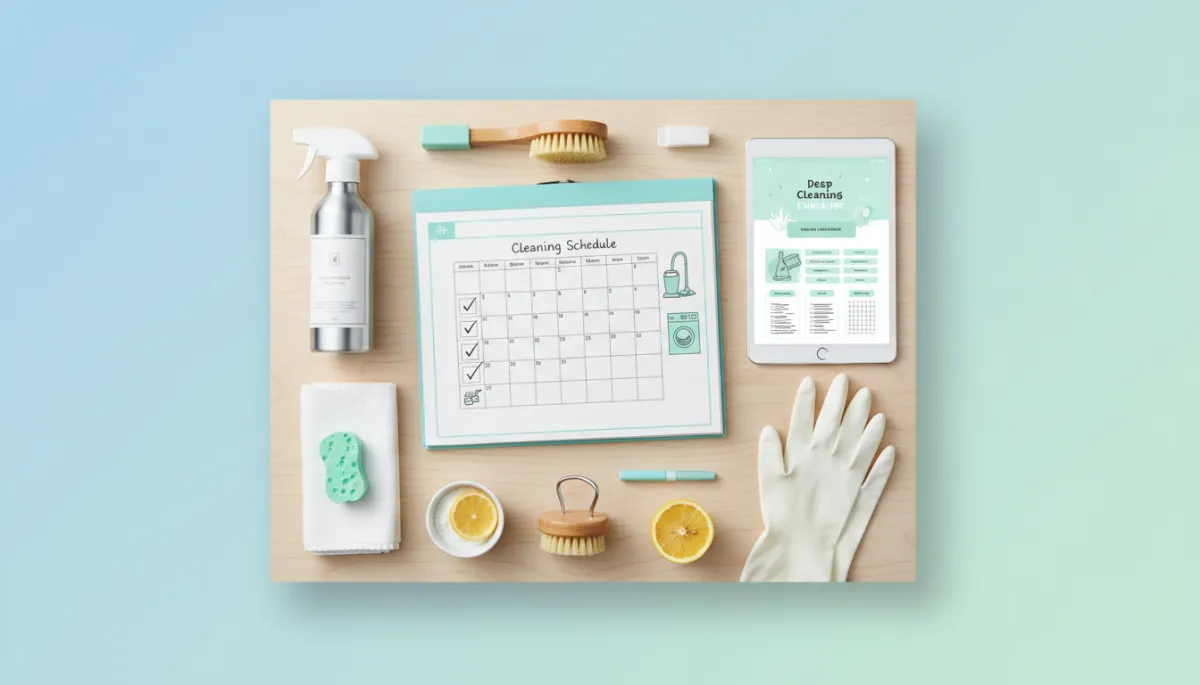
Optimal Home Cleaning Schedule: Tips & Timelines
Home, Cleaning Schedule, Cleaning Routines
How Often Should You Actually Clean Everything in Your Home?
Wondering if you’re cleaning too much, too little, or just enough? A realistic cleaning schedule doesn’t have to rule your life. With a few smart home cleaning tips and clear timelines, you can keep your space healthy and welcoming without spending every weekend scrubbing.
Start With a Realistic Cleaning Schedule
A good cleaning schedule is less about perfection and more about consistency. Think of it as a rhythm for your home rather than a strict set of rules. When tasks are spread out, you avoid overwhelming cleaning marathons and keep mess under control with small, regular efforts.
Start by listing your spaces: kitchen, bathrooms, bedrooms, living areas, and entryways. Then assign tasks to daily, weekly, monthly, and seasonal categories. This simple framework becomes the backbone of your cleaning routines and helps you decide how often to clean each area without second-guessing yourself every time you pick up a sponge.
Daily and Weekly Housekeeping Frequency: The Essentials
Daily tasks are quick wins that keep your home from sliding into chaos. For most households, a practical housekeeping frequency for daily chores includes:
Wiping kitchen counters and the stove after cooking
Doing dishes or loading the dishwasher each evening
A quick bathroom sink wipe-down and mirror spot-clean if needed
A 5–10 minute tidy of clutter in main living areas
Weekly tasks go a little deeper but still stay manageable. A typical weekly cleaning schedule might include:
Vacuuming and/or mopping high-traffic floors
Scrubbing toilets, tubs, and shower walls
Dusting surfaces like shelves, TV stands, and bedside tables
Changing bed linens and washing towels
💡 Pro Tip: Assign one or two weekly chores per day (for example, bathrooms on Wednesday, floors on Saturday) so you never face a full-house clean in a single afternoon.
How Often to Clean Common Household Areas
Everyone’s lifestyle is different, but these general timelines are a solid starting point for how often to clean key areas:
Kitchen counters & sink: Daily, especially after food prep, to reduce bacteria and stains.
Refrigerator exterior & handles: Weekly; interior deep clean every 1–3 months, depending on use.
Bathroom sink, toilet, and shower: Weekly, with spot-cleaning in between for shared bathrooms.
Floors: Vacuum or sweep high-traffic areas 1–2 times per week; mop hard floors weekly or biweekly.
Bed linens: Every 1–2 weeks; more often if you have allergies or pets in the bed.
Windows & mirrors: Monthly, or as needed if you notice streaks and fingerprints.
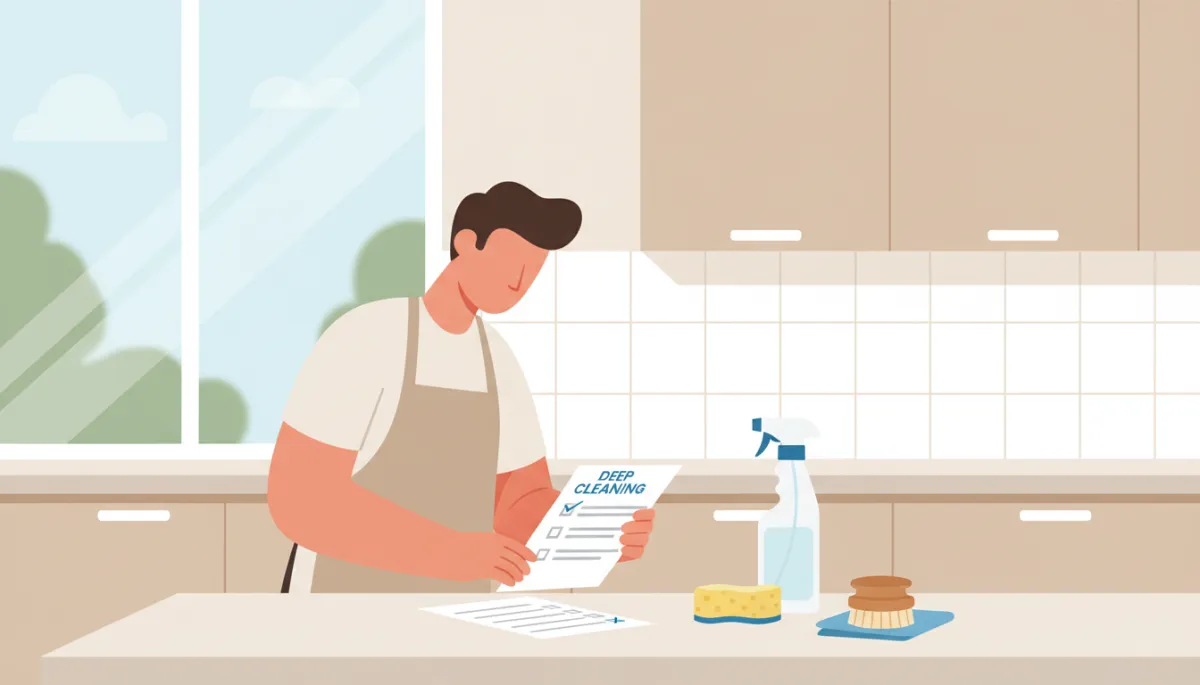
A written deep cleaning checklist turns big jobs into simple, repeatable steps.
Your Deep Cleaning Checklist: Monthly to Seasonal Tasks
Deep cleaning doesn’t have to be a dreaded once-a-year event. Break it into monthly and seasonal tasks and add them to your cleaning routines. A simple deep cleaning checklist might include:
Washing baseboards, doors, and light switches (every 1–3 months)
Cleaning inside the oven and microwave (every 1–3 months, depending on spills)
Vacuuming upholstery and under sofa cushions (monthly or bi-monthly)
Washing or vacuuming curtains and cleaning blinds (every 3–6 months)
Flipping or rotating mattresses and vacuuming mattress surfaces (every 3–6 months)
📌 Key Takeaway: Attach deep cleaning tasks to seasons—spring for windows and decluttering, autumn for textiles and heating vents—so they become part of your yearly rhythm.
Building Cleaning Routines That Actually Stick
The best home cleaning tips are the ones you’ll realistically follow. Instead of aiming for “magazine perfect,” focus on routines that fit your energy, schedule, and household size. A few ideas:
Pair tasks with habits you already have—wipe the bathroom sink after brushing your teeth, or run the dishwasher before bed.
Use timers for 10–15 minute “power cleans” so chores feel finite and doable.
Keep supplies where you use them—bathroom cleaner in the bathroom, dusting cloths in the living room—to remove friction.
Finding the Right Housekeeping Frequency for Your Life
Ultimately, how often to clean comes down to your lifestyle: pets, kids, allergies, work hours, and personal comfort levels all matter. Use these guidelines as a starting point, then adjust your housekeeping frequency up or down. If something always looks dirty before its scheduled day, move it up; if it never seems to need attention, move it back.
With a flexible cleaning schedule, a simple deep cleaning checklist, and sustainable cleaning routines, you can enjoy a consistently tidy, healthy home—without feeling like cleaning is your full-time job.
